10 Books that Helped Me Start Making Sense of Burnout (And Myself)
This post contains affiliate links, which means I may earn a small commission at no additional cost to you if you choose to make a purchase. resilienSHE is an ad-free space because we believe your time and focus deserve respect — no pop-ups, no clutter. Supporting through affiliate links helps us keep creating thoughtful, meaningful content. Read more in our Disclaimers and Privacy Policy.
There’s a moment when burnout stops being about stress and starts being about identity.
When you’re no longer asking, “How do I get through this week?” — but instead, “Who am I outside of what I do?”
If you’ve been there (or you’re there right now), this list is for you.
These are the books that helped me untangle burnout, ambition, and the quiet work of becoming resilient again.
In this post, I’ll walk you through 10 books that taught me how to heal, rebuild, and re-envision a life beyond burnout.
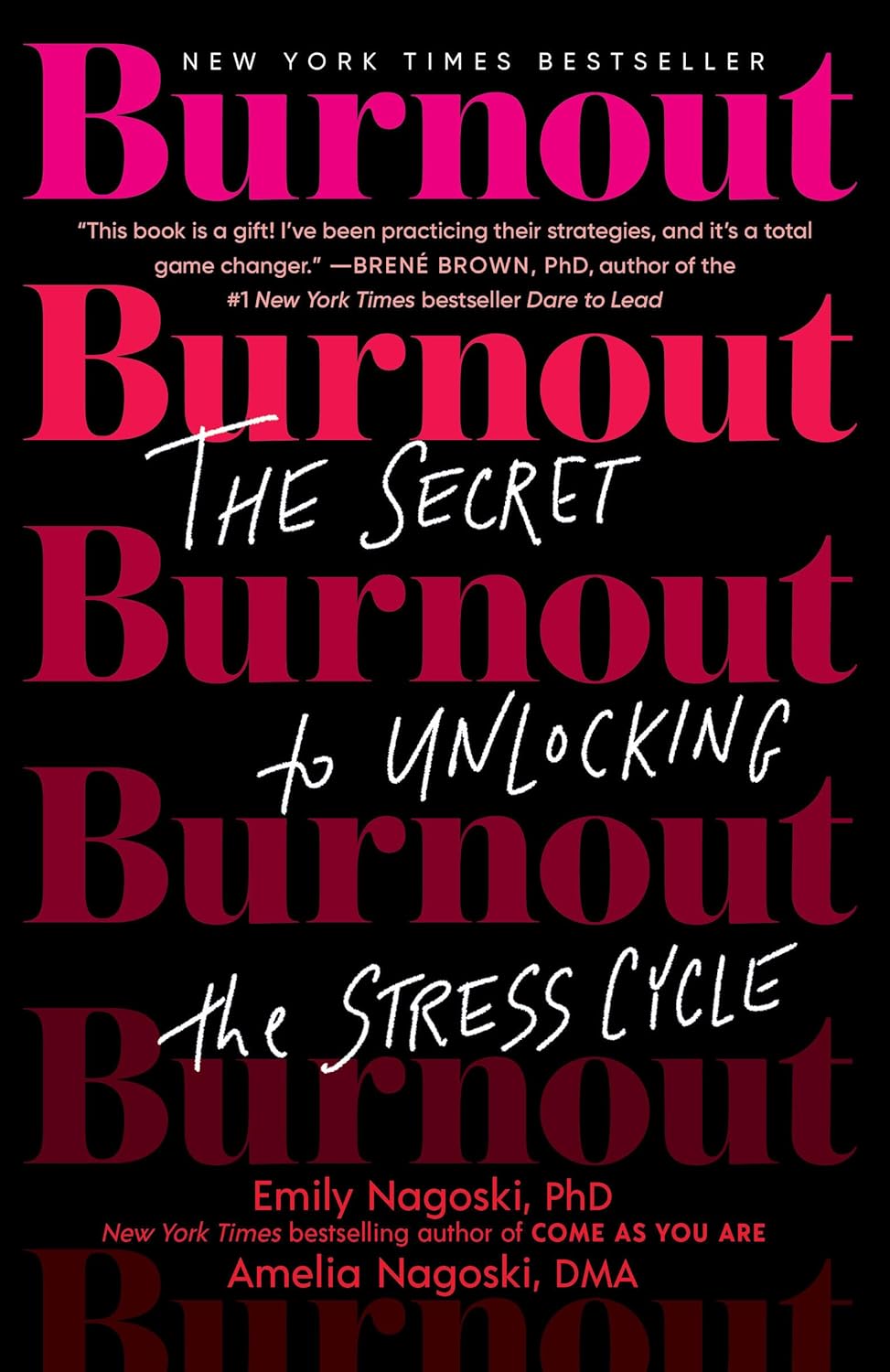
1. Burnout: The Secret to Unlocking the Stress Cycle — Emily & Amelia Nagoski
If you read only one book on this list, start here.
When I first picked this up, I thought I was just reading another stress management book — but it was so much more. The Nagoski sisters explain that burnout isn’t a personal flaw or weakness; it’s a biological response (now we’re talking my [scientific] language). They describe the “stress cycle,” and how we often get stuck halfway through it — unable to complete the process our bodies were designed for.
One afternoon, I tried one of their suggestions: shaking out tension through movement and breath. I felt ridiculous for 30 seconds… and then noticeably lighter. The science of it made sense, but the experience made it real. Now, I incorporate intentional movement as a priority task in my daily schedule which is helping me also stay physically active (I love a good “stack”).
What I love most is how this book humanizes exhaustion — showing that closing your stress cycle is just as important as finishing your to-do list. I only wish there was more on maintaining these practices long-term, once you’re out of crisis mode. Still, this is the book that helped me stop pathologizing my burnout and start understanding it.
💡 Best for: When you need to understand what’s happening to your body and mind.
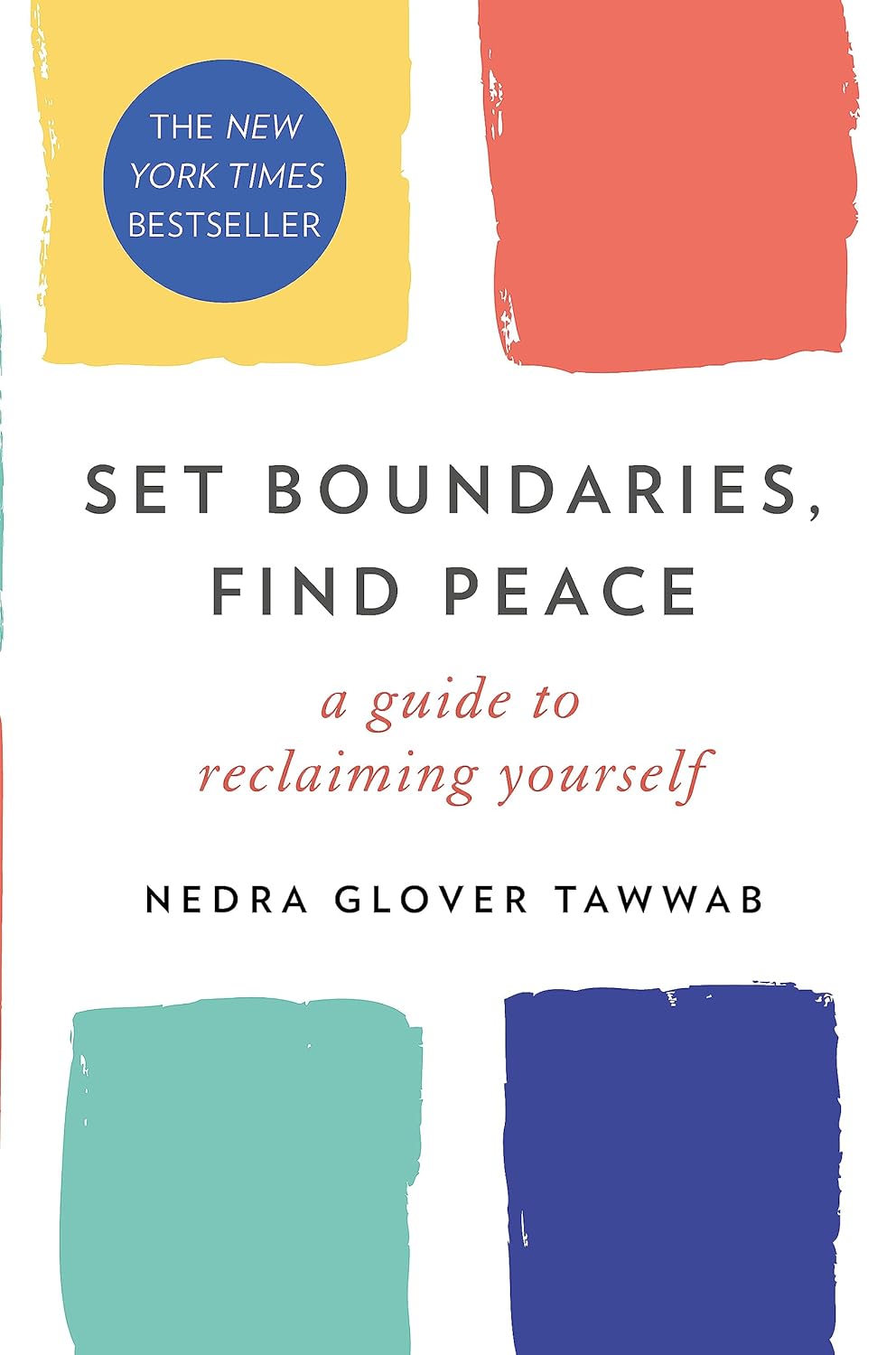
2. Set Boundaries, Find Peace — Nedra Glover Tawwab
If you’re someone who gives, leads, and fixes — this one will hit home.
“The ability to say no to yourself is a gift. If you can resist your urges, change your habits, and say yes to only what you deem truly meaningful, you’ll be practicing healthy self-boundaries. It’s your responsibility to care for yourself without excuses.”
I first read this book around the same time I discovered the work of the wondrous Prentis Hemphill, author of What It Takes to Heal and a voice I deeply admire in the space of human experience and transformation. Their quote — “Boundaries are the distance at which I can love you and me simultaneously” — landed in my bones. It reframed boundaries not as disconnection, but as devotion.
Once I began thinking of boundaries as an act of self-love rather than selfishness, I started small: delaying text replies, stepping back from overcommitting, protecting quiet moments that used to get filled with obligations. The calm that followed wasn’t subtle — it was steadying.
This book is practical, compassionate, and validating for anyone who’s ever felt stretched thin by saying “yes” too often. If burnout has left you feeling resentful, overwhelmed, or unseen, Tawwab’s wisdom will help you reclaim your energy — and remind you that peace doesn’t mean isolation. It means alignment.
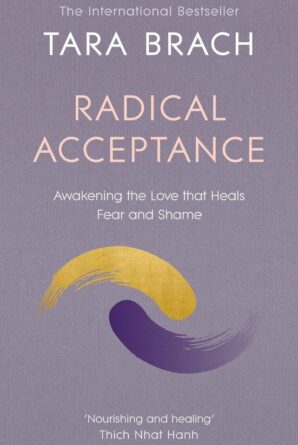
3. Radical Acceptance — Tara Brachwab
For those who try to “earn” rest or love, this book is a balm.
“The belief that we are deficient and unworthy makes it difficult to trust that we are truly loved.”
Brach writes with a kind of wisdom that feels like a soft landing after years of striving. She blends mindfulness and psychology to help you meet yourself with gentleness instead of judgment.
I used to think acceptance meant giving up. But this book showed me that radical acceptance is about truth — seeing things clearly without the extra layer of shame. At first, I started using her short meditations during moments of overwhelm mostly because I convinced myself it was all I had time for.
If I could change one thing, I’d want more real-world examples of how to apply this in relationships. Still, it’s one of the few books that made me feel lighter while reading it — like being reminded I don’t have to earn the right to rest.
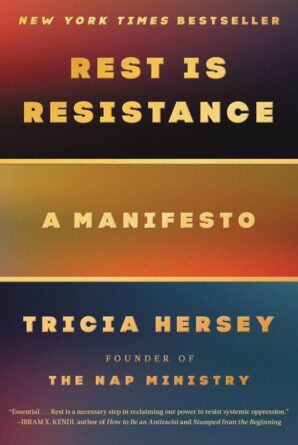
4. Rest Is Resistance — Tricia Hersey
“Release the shame you feel when resting. It does not belong to you.”
Reading Rest Is Resistance during a season when I couldn’t remember the last time I truly rested was both grounding and jarring. Hersey doesn’t ask you to add “rest” to your to-do list — she invites you to reclaim it as your birthright. It’s a radical act of self-liberation, especially for women who’ve been conditioned to equate exhaustion with achievement (hello, it’s me!).
I remember sitting with her words — “Rest is not laziness, it’s resistance” — and realizing how much I’d internalized the opposite. For me, rest wasn’t something I had to earn – I just didn’t think I had time for it. Realizing that rest isn’t a reward, but a necessity, I started scheduling intentional rest into my schedule so I didn’t have the excuse of not having enough time.
This book isn’t just about naps or downtime; it’s about dismantling the systems that tell us our worth is in our output. It’s powerful, necessary, and a must-read for anyone learning to pause without guilt.
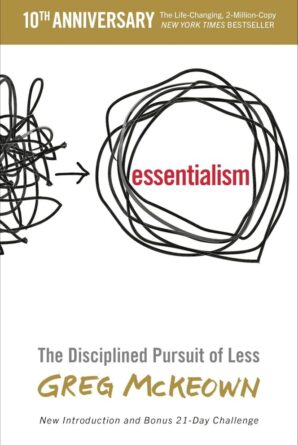
5. Essentialism: The Disciplined Pursuit of Less — Greg McKeown
“The way of the Essentialist means living by design, not by default.”
This book is where my personal motto was born: “Minimize in quantity, maximize in quality.” McKeown’s philosophy of Essentialism is deceptively simple: do less, but better. But applying it — especially when you’re used to overcommitting and overdelivering — is the real transformation.
When I first read it, I realized how much of my burnout came from trying to be everything to everyone. McKeown offers a clear, compassionate framework for cutting through that noise and identifying what actually deserves your energy.
One exercise he suggests — defining your “yes” so clearly that every “no” feels lighter — stuck with me. I began practicing this by asking one small question before every new project or invitation: Is this essential to the life I’m building? That filter alone saved me from countless stress spirals.
This book is especially powerful if you’re in a Pivot season — rethinking what you want your life and work to revolve around. Essentialism isn’t about doing nothing. It’s about doing the right things, with intention and grace.
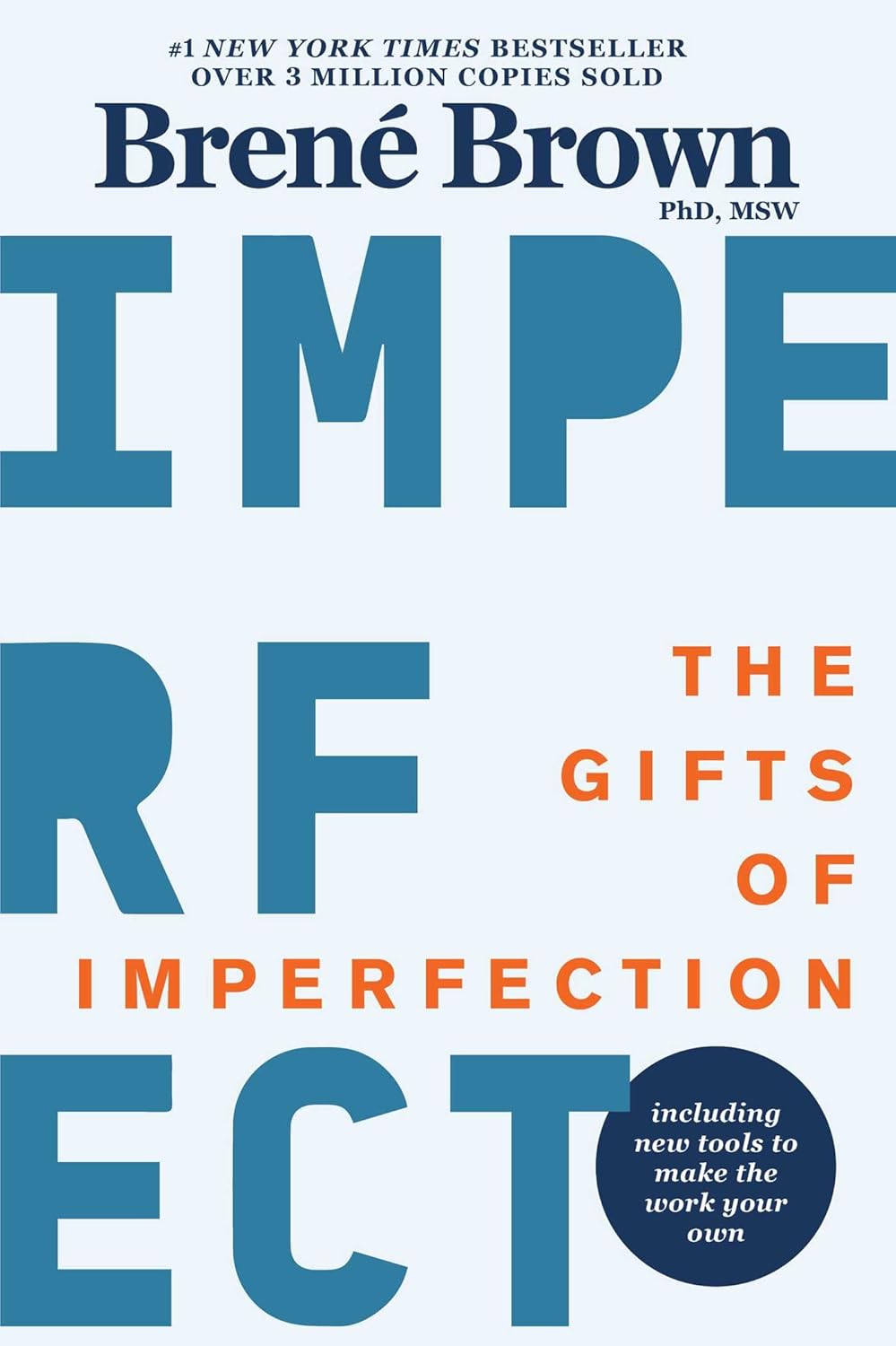
6. The Gifts of Imperfection — Brené Brown
Yes, another Brené classic — but it’s the foundation for everything else.
“Perfectionism is a self destructive and addictive belief system that fuels this primary thought: If I look perfect, and do everything perfectly, I can avoid or minimize the painful feelings of shame, judgment, and blame.”
If burnout is a loss of self, this book is a homecoming. Brown distills years of research on authenticity, belonging, and courage into ten guideposts that help you release perfectionism and comparison.
When I read it, I felt like she’d written a manual for my twenties. Every page challenged me to stop performing for approval and start showing up as myself — messy, real, and enough.
I wouldn’t change a thing about this book. It’s timeless, grounding, and the foundation for every other title on this list.
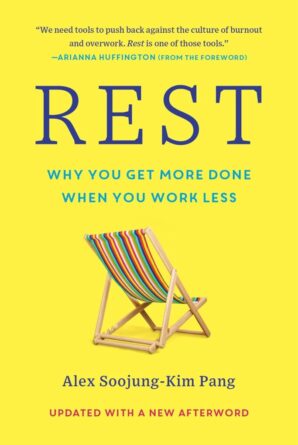
7. Rest: Why You Get More Done When You Work Less — Alex Soojung-Kim Pang
“When we treat workaholics as heroes, we express a belief that labor rather than contemplation is the wellspring of great ideas and that the success of individuals and companies is a measure of their long hours.”
When I first read this, I flagged almost every other page. One chapter argued that the very rest periods we sometimes dismiss (a 20-minute walk, staring out the window, doing chores) are not wasted time but essential “fuel stops” for our brain’s creative engine. On a Tuesday last spring, I forced myself to take a “micro-rest”—no guilt, no planning—and I returned to work with a clearer head and renewed energy.
What Pang does brilliantly is reframe rest not as an indulgence, but as strategy. He weaves in neuroscience, historical figures, and real-world examples to show rest’s central role in sustainable productivity. My favorite bit: how he traces Leonardo da Vinci’s napping habits as part of his genius. (I know correlation does not equal causation, but are we sure naps aren’t the secret to being a genius?)
That said, I wish Pang had more about how to rest when your life is messy and interrupted—children, caretaking, urgent emails. But maybe that’s where you meet your adaptation of rest. For me, this book gave me a lens to redefine “productive” and permission to guard space I once scolded myself for taking.
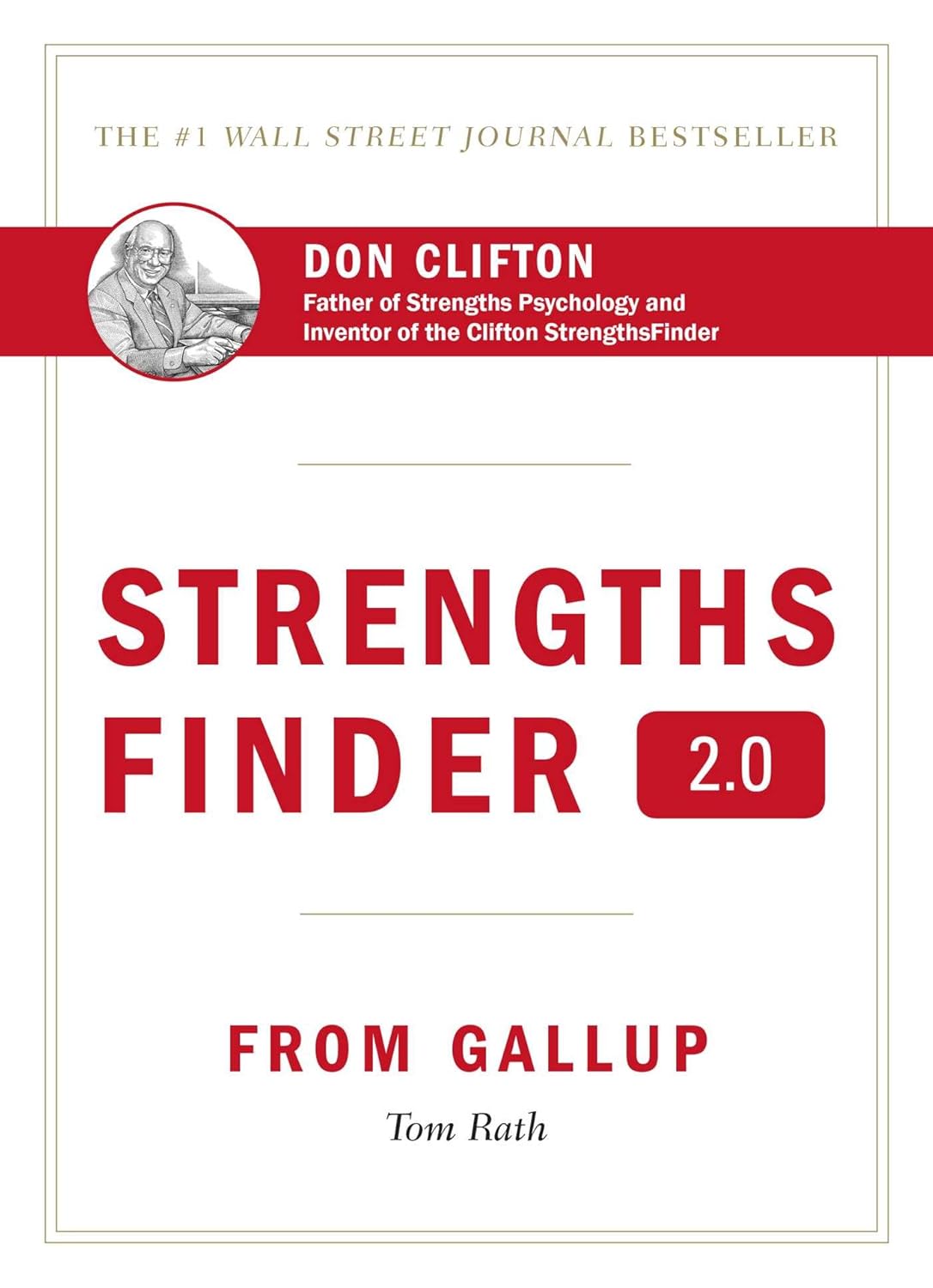
8. StrengthFinder 2.0 Discover Your CliftonStrengths — From GALLUP
“The key to human development is building on who you already are.”
This may be one of the more unexpected titles on this burnout recovery reading list, but it’s also one of the most transformative — especially if you’re ready to start taking action in your healing journey.
Burnout is often described as exhaustion, but the real fracture happens in your identity. You stop recognizing yourself. You question your value, your abilities, your voice. That’s exactly where StrengthsFinder met me. After taking the assessment and reading the book, I felt a tangible sense of self-discovery and renewed confidence — the kind that’s grounded, not performative.
What I love most about this approach is that it shifts the focus from fixing your weaknesses to understanding your natural strengths. Not every weakness needs to be “solved.” Some just need boundaries, support, or collaboration. Leaning into your strengths isn’t self-indulgent; it’s self-preserving — and it’s one of the most underrated burnout recovery tools out there.
I still have my results pinned above my desk — a quiet, daily reminder of who I am when I’m not performing or proving. Thanks to this book, I’ve stopped chasing balance and started building from alignment.
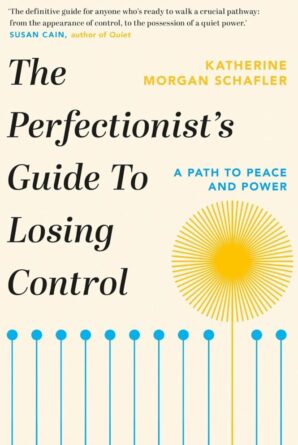
9. The Perfectionist’s Guide to Losing Control — Katherine Morgan Schafler
“Release the shame you feel when resting. It does not belong to you.”
Where to begin with this incredibly eye-opening book…
I’ve always joked about being a perfectionist. It was my lighthearted way of explaining why I color-coded my planner or rewrote sentences three times. But this book made me stop laughing and start listening.
Schafler reframed perfectionism not as a flaw, but as a force — one that can be both empowering and self-sabotaging. She gave language to what I actually meant when I called myself a perfectionist.
Now, I see my perfectionism as a superpower when it’s rooted in purpose — and as a warning light when it’s fueled by fear. This book hit so close to home, it earned a spot on my “reread once a year” list (a very exclusive club).
10. Tiny Experiments — Anne-Laure Le Cunff
“Ride the wave of chaos instead of vainly trying to contain it. The point is not to create a master plan that gives you the illusion of power over the situation; rather, it is to de-escalate the consequences of any setback so you can move forward rather than give up.”
This book appealed to me first as a scientist. And as a scientist, I have no idea why I hadn’t started looking at life as a series of tiny experiments this entire time.
Like many of us, I used to think experiments were reserved for the lab. But this book reframed growth as iteration — small, low-stakes tests that help you learn what works for you.
That shift from “I have to get this right” to “let’s just test this” changed everything about how I approach habits, routines, and recovery.
💡 Best for: A Pivot season — when you’re experimenting with what your new normal could look like.

A Personal Note (Because Book Recommendations Are My Love Language)
Books are how I talk love—I believe that the right book at the right time can hold you, shift you, and remind you who you are. This list doesn’t claim to be exhaustive (just ask my ever-growing Goodreads “To Read” shelf). As I read more, this list will change.
If you see a book missing here that changed you, or one that’s calling to you now—please tell me. Reply to this post or send me an email. I’d love to hear your list.
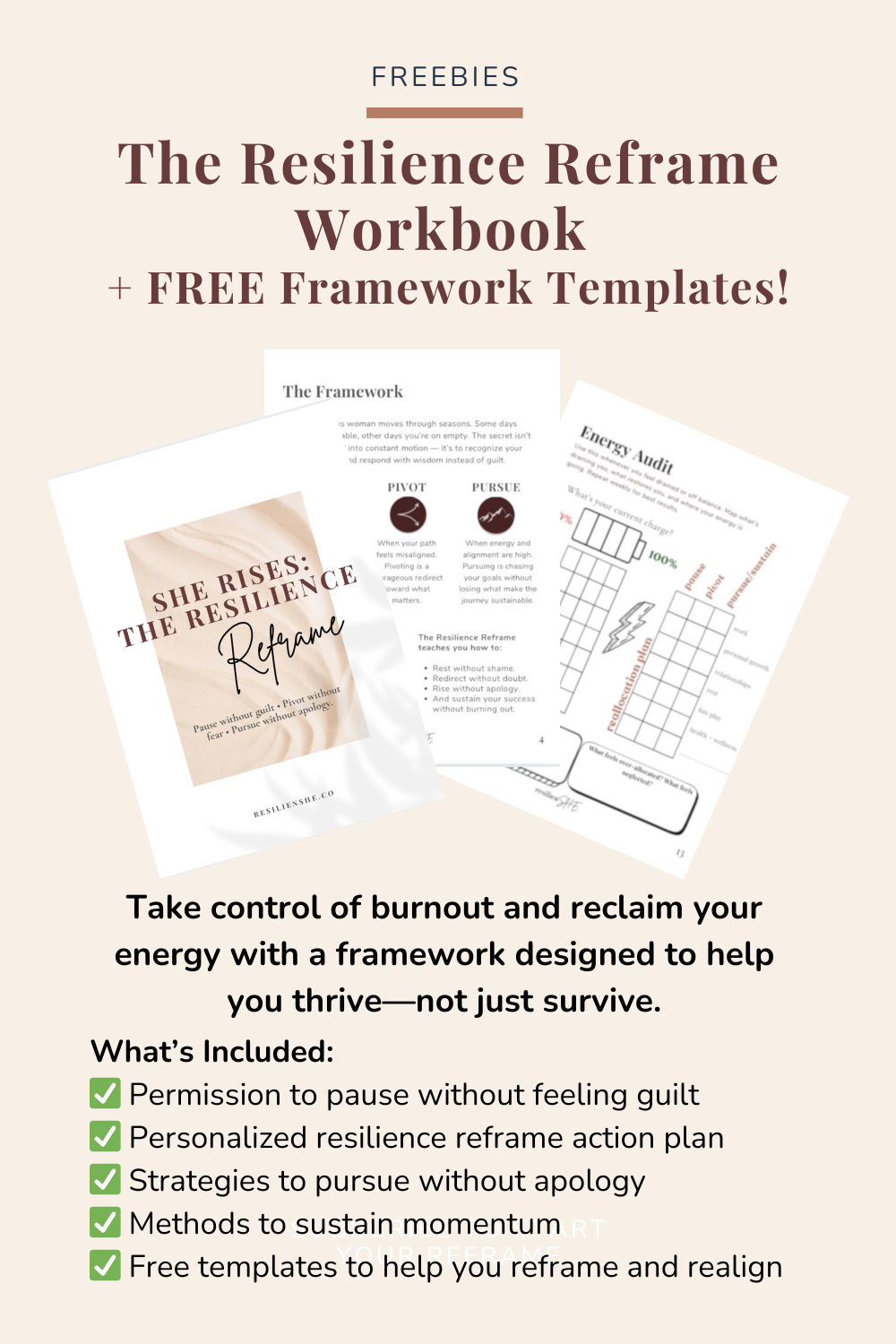
And if you’re ready to turn these pages into practice, grab the Resilience Reframe Workbook (free). It helps you map whether you’re in a Pause, Pivot, or Pursue season — and gives you gentle next steps to move forward with clarity, care, and resilience.
Hey There, I’m
Madison
full-time scientist, average writer, and founder of resilienSHE.
Around here, I share honest conversations, tools, and reflections for women who want to achieve boldly and rest essentially – redefining resilience on our own terms.

Want to Join the Conversation?